
Why Joseon Cracked Down on Silk Wallpaper and Layered Changho
This series · Status Studies of Space · No. 1 (2 episodes total) Completed
"Changho was a language that proved one's status."
- No. 1 Why Joseon Cracked Down on Silk Wallpaper and Layered Changho
- No. 2 The Era's Desire, Held in a Single Door
Originally written in Korean by the author. Translated with the help of AI. Read the original
You are free to quote and excerpt posts and records from the Pyeongmok blog, as long as you credit the source (pyeongmok.com).
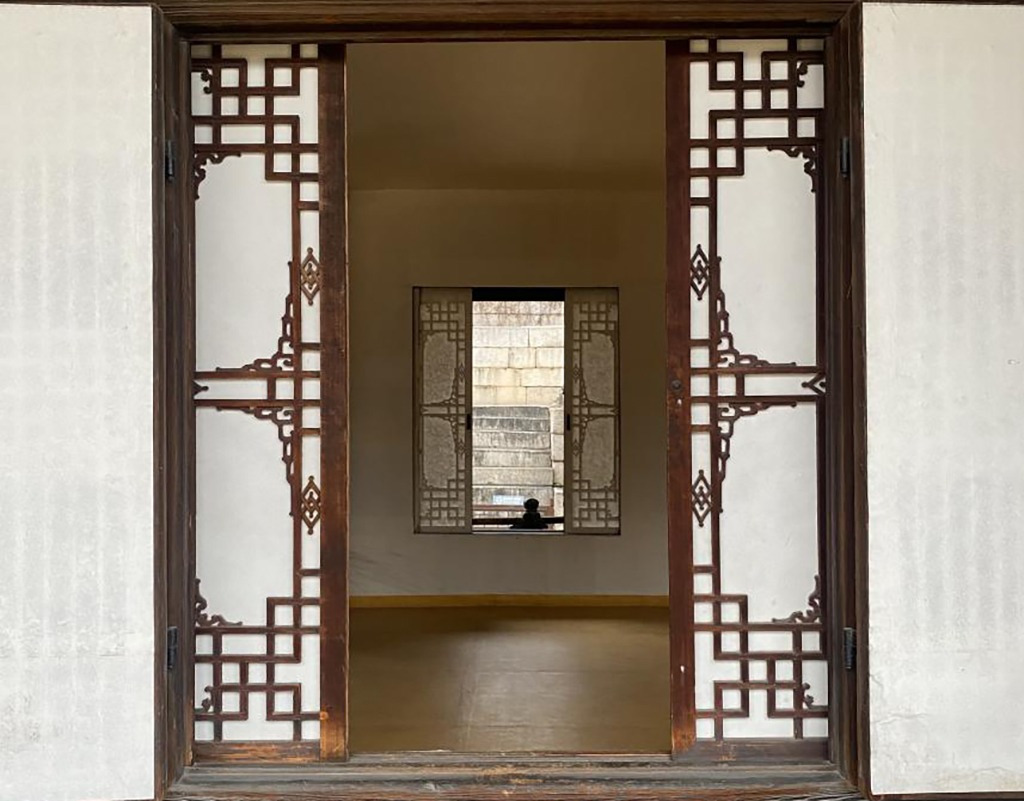
These days, if you have the money, it's taken for granted that you can decorate your house however lavishly you like. Whether you paper the walls with the fancy silk wallpaper from an interior magazine or install imported double-glazed changho, nobody bats an eye. But did you know that if you'd done the same thing in the Joseon dynasty, the Saheonbu (roughly, the era's inspection bureau) could show up and have your house torn down or confiscated? Let's unpack the story of Joseon's spatial control, built around the era's hot-button regulated items: silk wallpaper, silk-gauze changho, and layered changho.
1. A Crime Worse Than Extravagance: "Chamnam"
Joseon didn't regulate home interiors down to this level of detail just to run some savings campaign urging people to "spend less." Joseon, which made Neo-Confucianism its state ideology, wanted to preserve the status order made visible through architecture.
The key concept behind this is "chamnam" (僭濫).
What is chamnam? It means overstepping one's own status to imitate, beyond one's station, the authority and forms reserved for one's superiors.
In other words, ordinary people copying the lifestyle of the royal family or the upper class was seen as a dangerous provocation that shook the social order. This was no idle threat. King Seongjong went so far as to order the Saheonbu: "Anyone who has built a house beyond the legal standard since the law was established is to be charged, and all such houses are to be torn down."
2. The Enforcers' Main Target List
Joseon's housing-regulation system, gasa-jehan, controlled not just the size of a house but its interior decor and even the shape of its door panels, down to the smallest detail.
① Silk wallpaper and silk changho (fine fabrics such as neungna and sachang)
Ordinary houses used plain changho papered with hanji, but wealthy households papered their walls and changho with silk or fine fabrics such as "sachang," or even the finest silk of all, "neungna." Being far more expensive and lavish than ordinary hanji, these were a prime target for enforcement.
② Layered changho and ornate lattice
A layered structure of multiple changho panels, or composite changho swapped out by season, were a symbol of enormous wealth. "Jangmilmun" — doors with tightly, elaborately carved lattice — likewise required so much material and labor that they were a privilege reserved exclusively for the palace and the royal family.
3. Interior Standards Set by Law, by Rank
The original form of this regulation is the royal instruction King Sejong issued to the Ministry of Rites in the first month of his 13th year (1431). Its structure had two layers.
Room count followed rank — 60 kan for a daegun (a king's son by the queen), 50 kan for the king's own sons and brothers and for princesses, 40 kan for officials of the 2nd rank or above, 30 kan for the 3rd rank and below, and 10 kan for commoners.
Decoration was banned outside the royal family entirely — dressed stone beyond the foundation stones, ornately carved boa-ji brackets, and vivid polychrome or dancheong paintwork. This wasn't a matter of higher rank simply getting a larger allowance: even a 40-kan noble's house couldn't be painted in dancheong. Outside the palace walls, it was a visual language reserved for royalty alone, unusable by anyone else.
The rank-based distinctions grew more elaborate from the revision in King Sejong's 22nd year (1440). This time, too, what set the ranks apart wasn't ornamentation but dimensions. Within a daegun's 60-kan house, the tower pavilion could be 10 kan; for princesses and the king's brothers, 8 kan; for officials of the 2nd rank and above, 6 kan; for commoners, 3 kan — and even pillar height stepped down tier by tier, from 13 cheok for princesses and above, to 12 cheok for officials, to 7 cheok for commoners. Even calling them all "houses," the very height differed by rank.
There was one exception: shrines, and houses inherited from one's parents or purchased outright, were not subject to this restriction. The law didn't reach into ancestral rites, nor did it tear down property that already existed.
In the end, Joseon's changho weren't mere interior decoration — they were an "architectural language" that visibly proved a homeowner's rank. So was this strict regulation actually upheld for all 500 years of Joseon? The very fact that Seongjong had to issue an order to "tear the houses down" is already half the answer. In Part 2, "The Era's Desire, Held in a Single Door," the story continues with the fierce battle of wits waged by those who tried to break through this line of status defense with the sheer force of money.
Source
- Gyeongguk Daejeon, Gongjeon (Ministry of Works section) — regulations on house scale
- Veritable Records of King Sejong, Year 13 (1431) — royal instruction on gasa-jehan (decoration regulations)
Browse the pattern designs in Pyeongmok Studio
Go to the Collection