About Pyeongmok
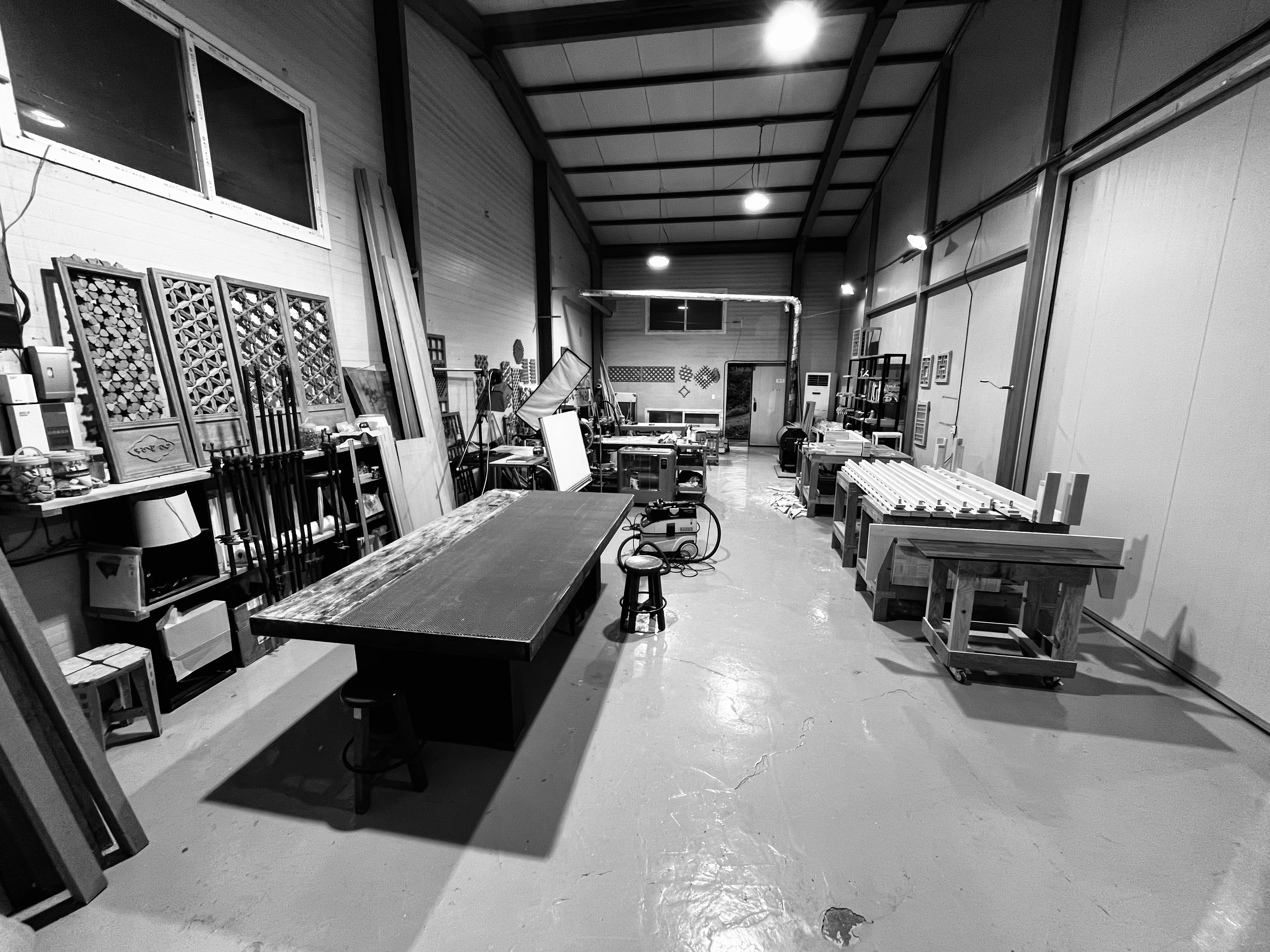
Pyeongmok (平木) is a changho design studio that brings the beauty of traditional Korean changho into modern spaces.
We reinterpret centuries-old lattice-weaving techniques through digital tools, building an environment where anyone can design their own changho
and carry it all the way through to production.
Philosophy
The tool once used to level off grain measured by the ‘doe’ or ‘mal’
is called a ‘pyeongmire’ in Korean —
and ‘평목 (平木)’ is the Hanja word for exactly that tool.
A pyeongmok's job is balance —
not letting things overflow,
not letting them fall short.
The carpenters at Pyeongmok, who shape solid wood,
aim to make changho and furniture that don't wear down with time —
but gain character because of it.
01
Se-sal, Jeongja-sal, Bit-sal, Sotgeul-sal. We carried the exact joinery used in Joseon-era changho straight into the engine.
Only the slat spacing and proportions are adapted to fit today's spaces.
02
Move the dimensions or slat spacing and the drawing updates with you.
That same drawing becomes the production drawing, exactly as is.
03
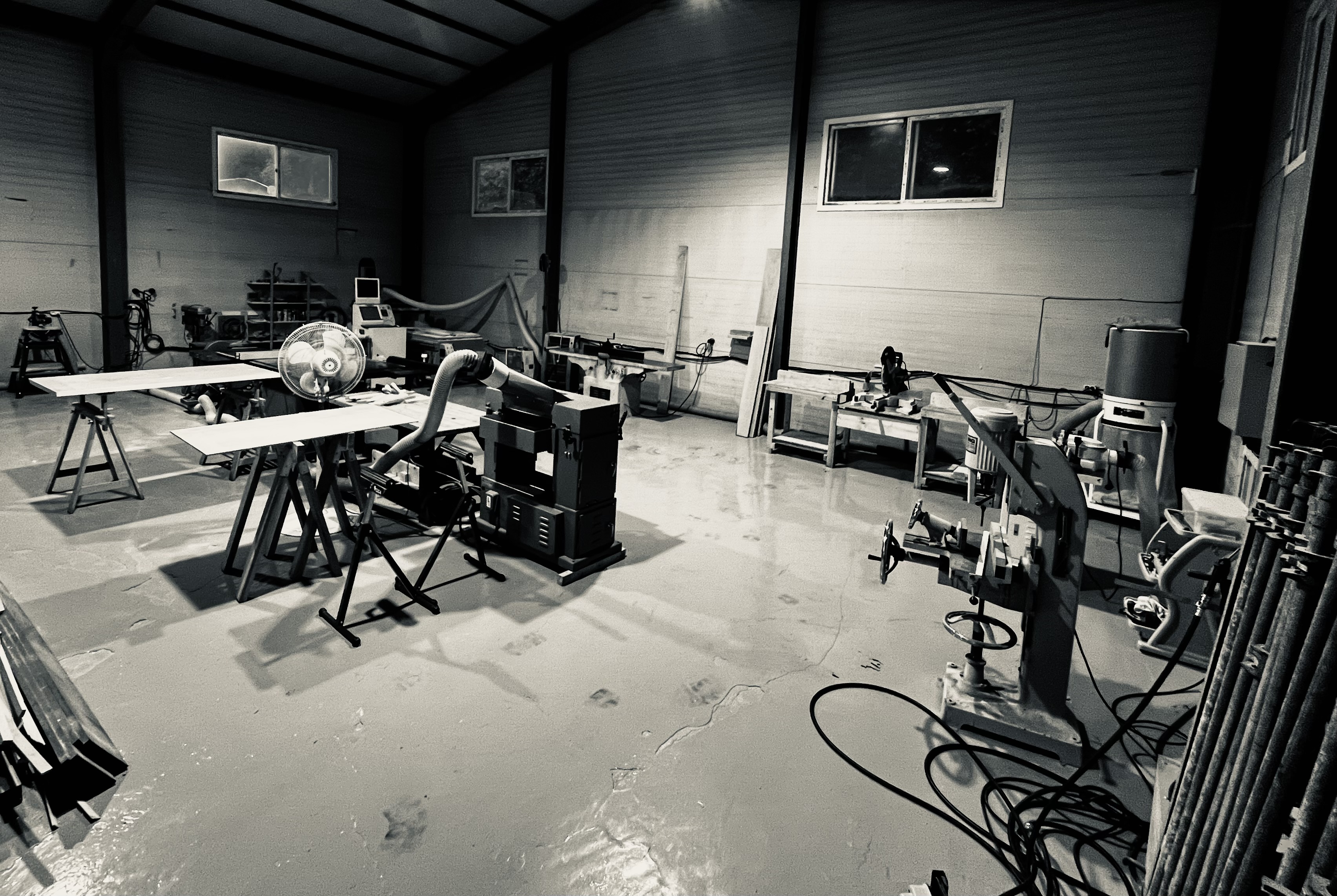
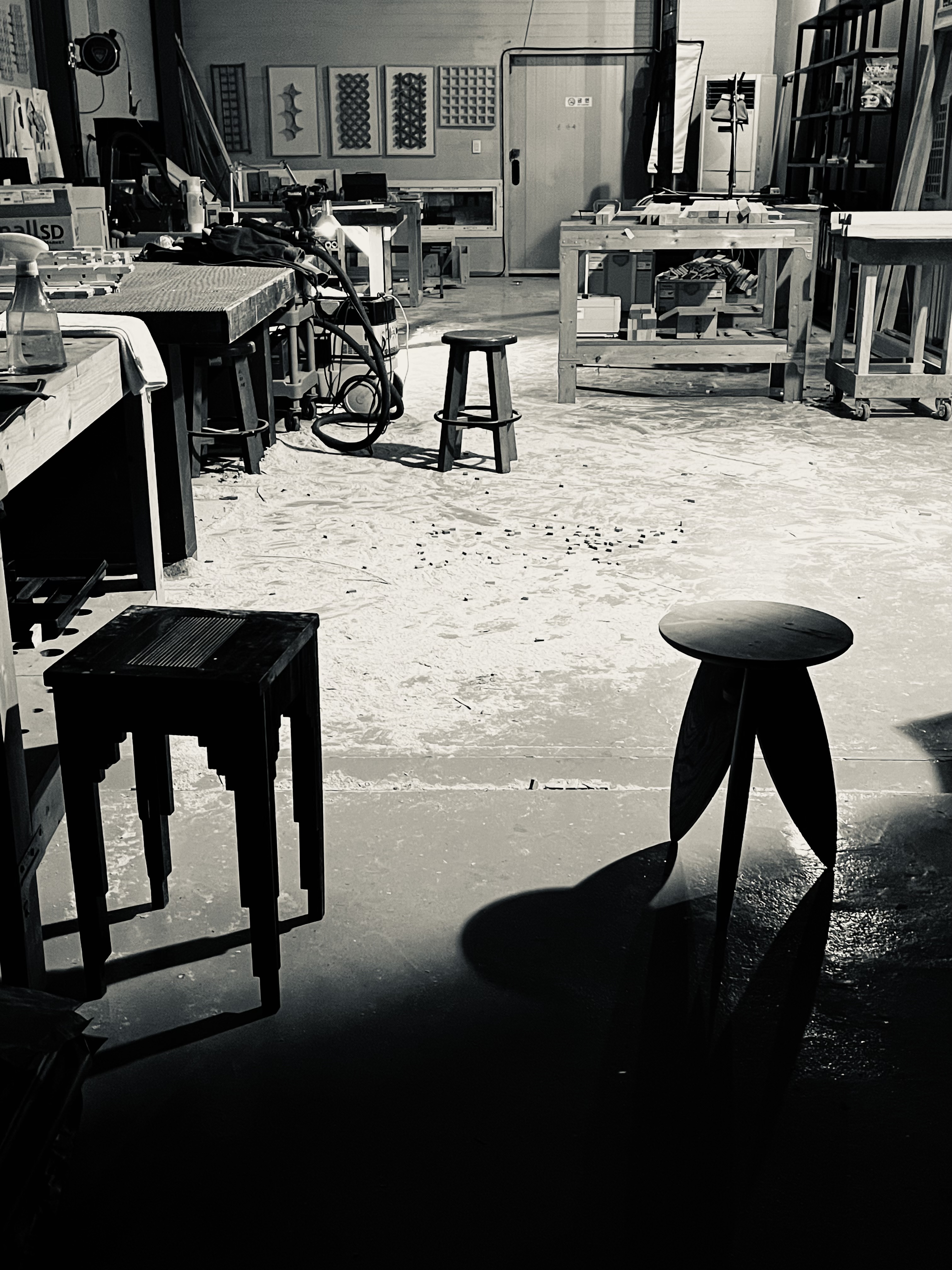
Your drawing goes straight to our workshop in Yangpyeong.
No two spaces are alike, so no two changho come out the same — each one is woven to fit its own dimensions and light.
Light & Lattice
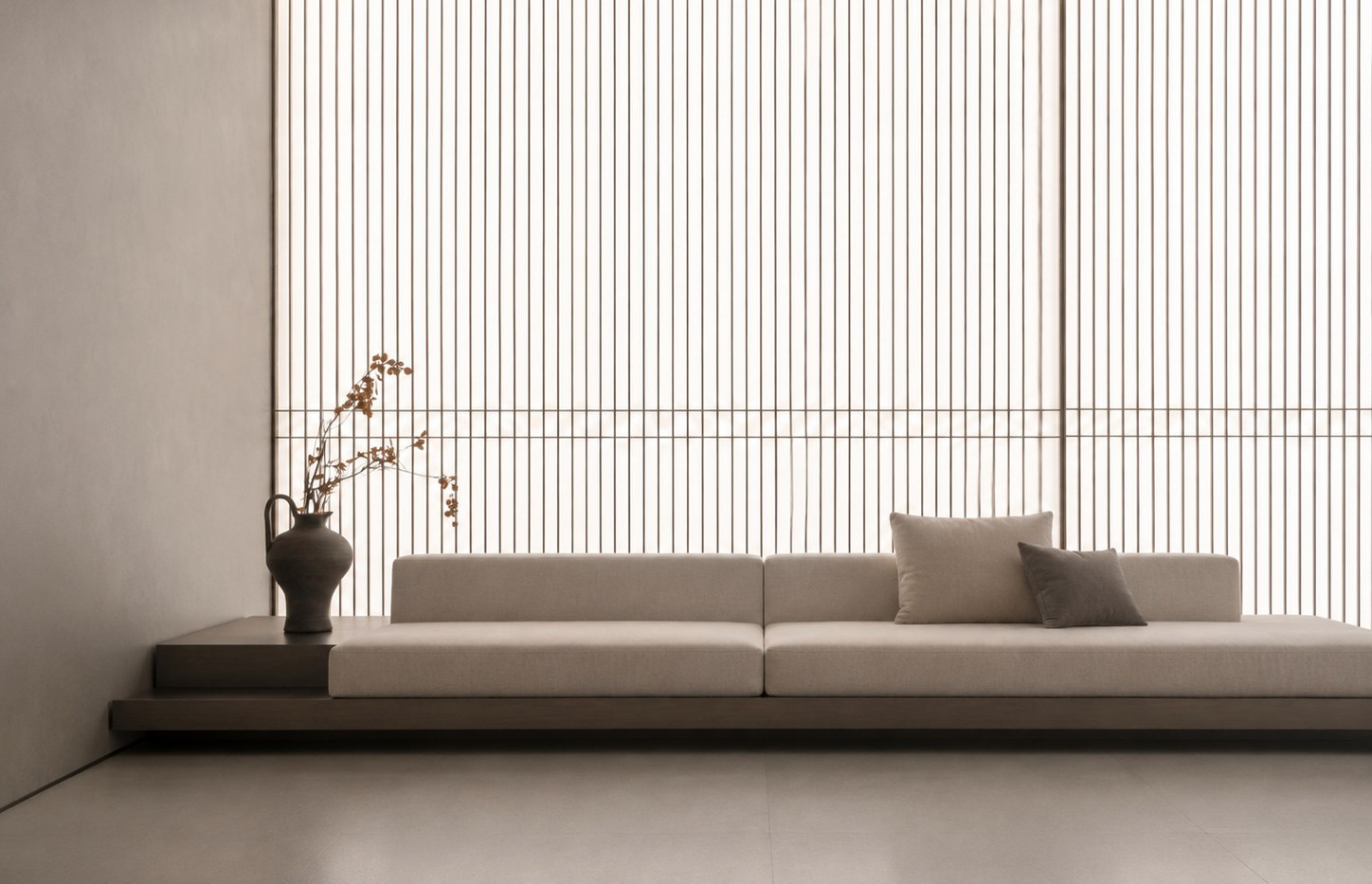
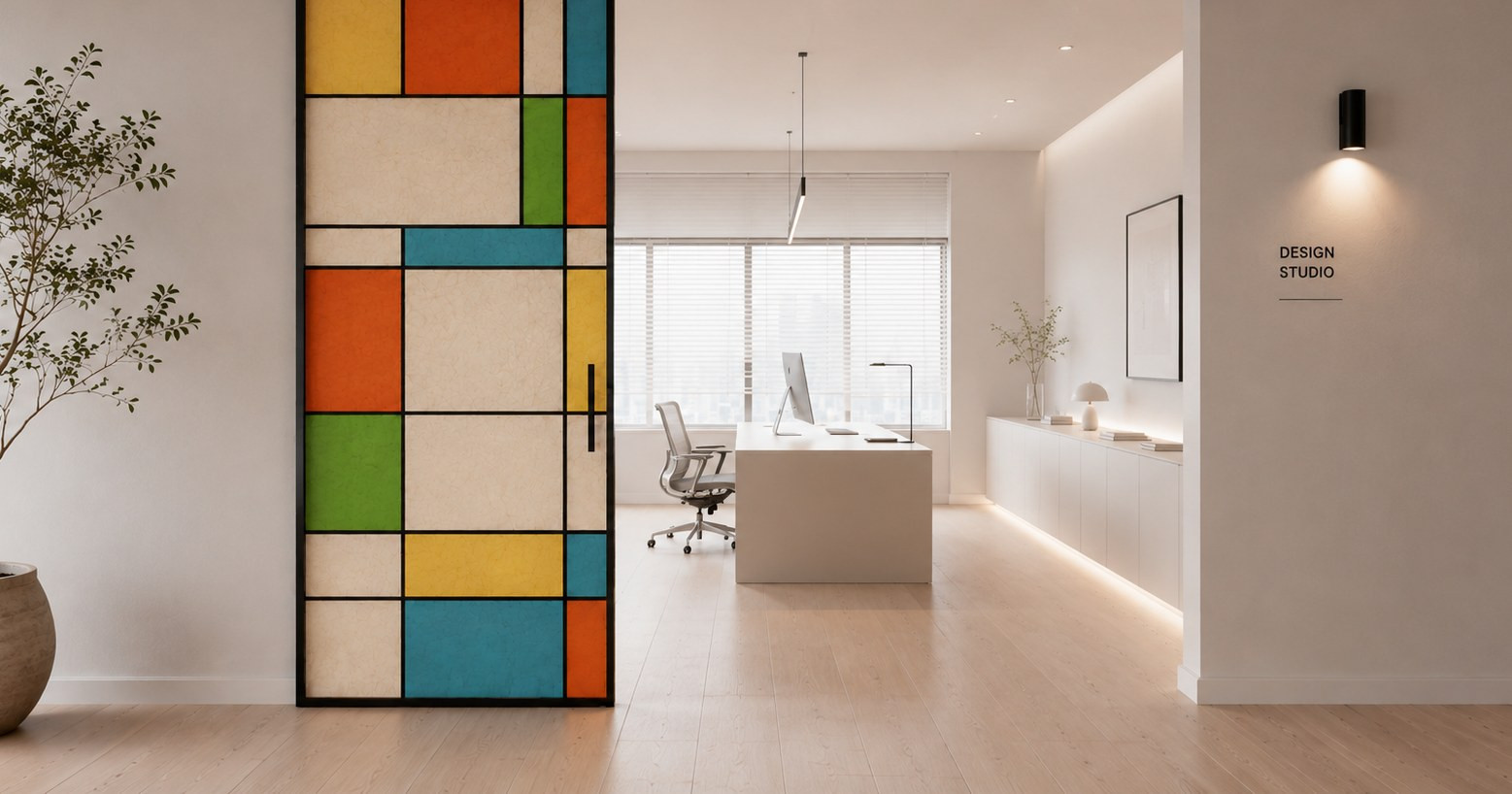
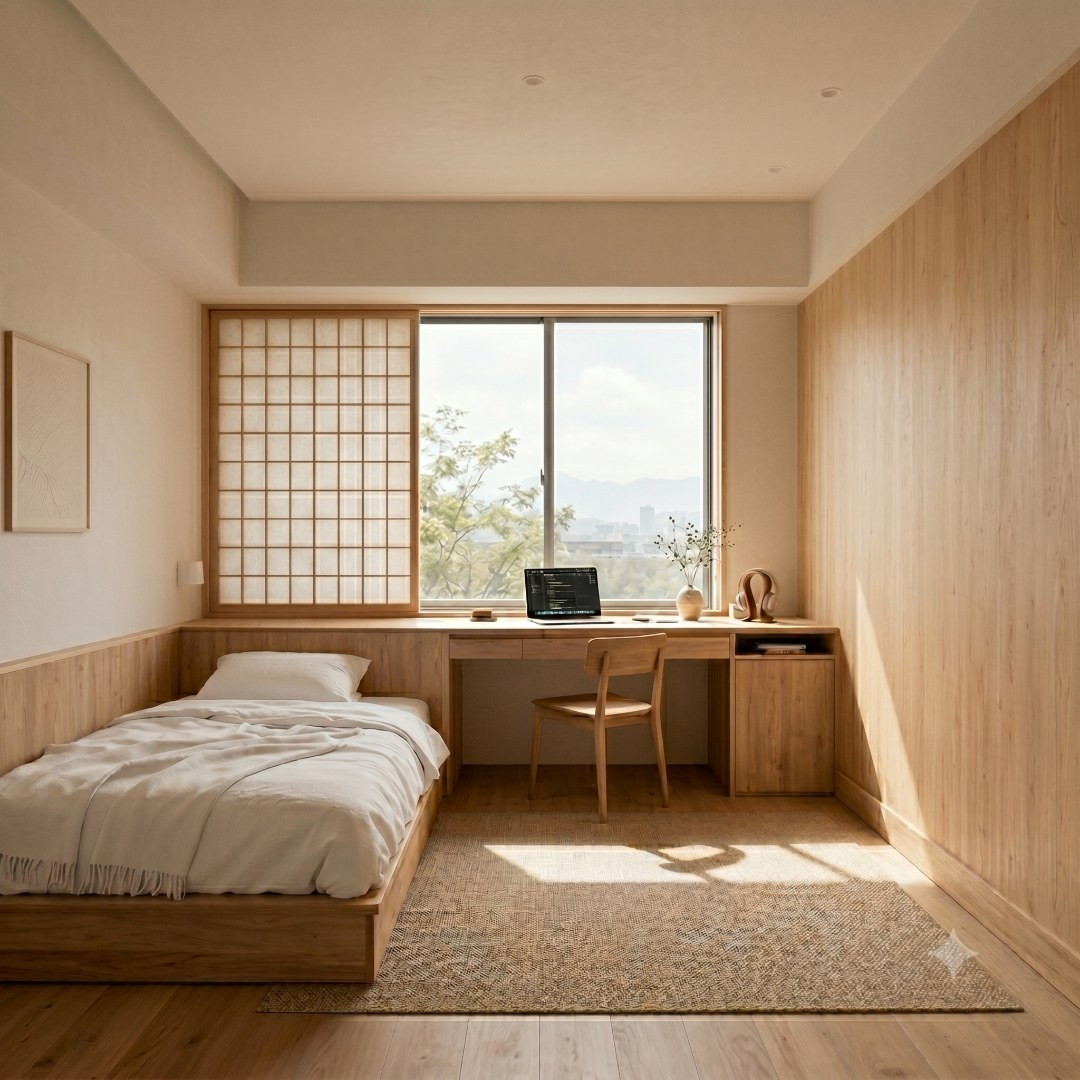
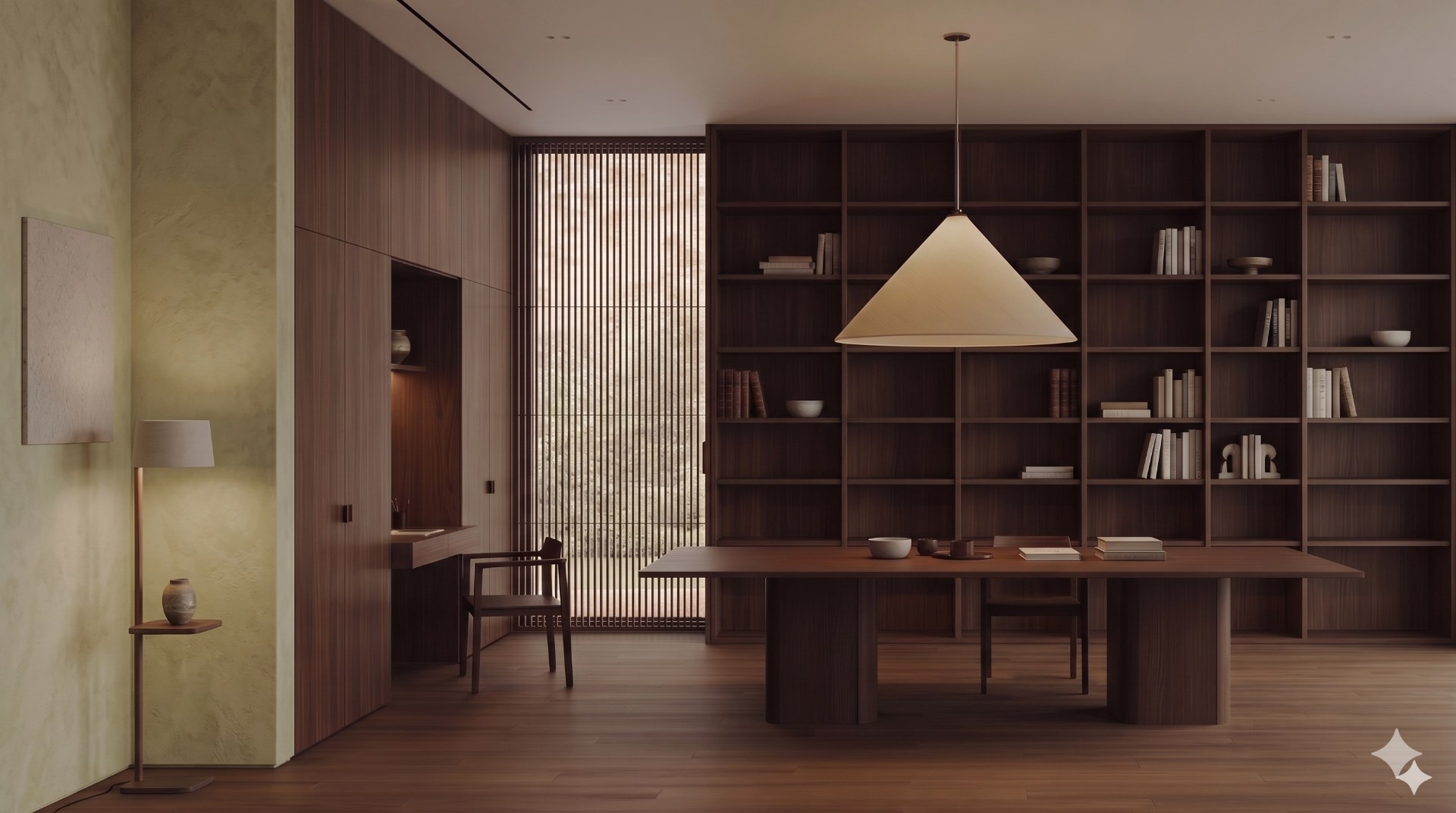
Glass lets light in whole; a wall blocks it whole. The lattice sits between the two — it blocks while letting in, and filters while it lets through.
Tight spacing breaks the light into fine pieces that fill a room evenly. Wide spacing lets it in as solid shapes that fall as sharp shadows on the floor. The same pattern looks different depending on which way the changho faces and what time it is.
That's why old carpenters wove a different lattice for every room. The inner room and the great hall could never be the same; a south-facing changho and a north-facing one could never be the same.
In the studio, adjusting the lattice spacing may look like picking a pattern — but it's really deciding how the light will enter that room.
Studio
Pyeongmok Studio is a changho design tool you can use right in your browser.
Adjust the frame size, slat spacing, and pattern to complete a changho of your own. Your finished design is built at the Pyeongmok workshop, using traditional changho-making technique exactly as drawn.
Se-sal
Vertical slats fill the frame completely, while horizontal slats are grouped into three bands — top, middle, and bottom.
The engine lets you set each band separately: 0–7 on top, 0–9 in the middle, 0–7 on the bottom.
Whether you go 5-7-5 or 3-5-3 really comes down to matching the door's height.
Nudge the vertical ratio at the same time and the whole texture shifts again.
Jeongja-sal
A grid where both horizontal and vertical slats fill the frame completely — also called Man-sal.
Just set the number of vertical divisions and the engine works out the rest.
Want more control? Set the horizontal slat count yourself.
No clear answer in mind? Try Randomize — Reset always brings you back if you don't like the result.
Bit-sal
A changho woven from slats tilted 45°. If straight vertical and horizontal lines feel like order standing still, Bit-sal is order in motion.
The engine keeps it simple — the 45° angle is fixed, and you only control the sparseness or density through the horizontal count and slat thickness.
The vertical spacing auto-adjusts to keep the proportions right.
With so little to tweak, you actually get a feel for it faster.
Gyeokja-bit-sal
A 45° diagonal lattice is layered over a horizontal-vertical grid, splitting each cell into four triangles.
With slats meeting from four directions on a single face, the intersections add up fast — this is the changho that takes the most hands-on work.
The controls are the same as Bit-sal, except each extra horizontal division makes it noticeably denser.
Adjust it in small steps and watch what happens.
Semo-sotgeul-sal
A vertical slat and two diagonal slats meet at a single point from three directions.
Since the slat width has to be split three ways at a triple-notch joint, this is actually the trickiest changho to build.
The engine has a switch for flipping the pattern's vertical direction.
Flipping which way the triangles point changes the whole impression quite a bit — try both.
Yukmo-sotgeul-sal
The same three directions as Semo-sotgeul-sal, but with the vertical slat's position shifted.
Line it up right on an intersection and you get triangles; place it between intersections and hexagons open up instead — also called Eogeum-yukmo.
Since no three slats ever meet at one point, every joint is a half-lap.
You can flip the pattern's vertical direction here too.
Contact
Even a small question is welcome.
From design, production, and installation consultations to collaboration and project proposals — all welcome.
Feel free to reach out. We'll get back to you within a day.