The Structural Reversal Behind Korean and Japanese Changho, and Climate
This series · Korean and Japanese Changho · No. 2 (6 episodes total) Completed
"They look alike, but there's a reason for the difference."
- No. 1 Why We Need to Talk About "Wabi-Sabi" Before We Open Japan's Door
- No. 2 The Structural Reversal Behind Korean and Japanese Changho, and Climate
- No. 3 The Misunderstanding About Kumiko (組子)
- No. 4 The Lattice's Relaxed Proportion vs. the Strict Division of Line and Plane
- No. 5 Two Ways of Handling Space: Korea and Japan
- No. 6 Korean Changho and Japanese Shoji | Why Are They Different?
Originally written in Korean by the author. Translated with the help of AI. Read the original
You are free to quote and excerpt posts and records from the Pyeongmok blog, as long as you credit the source (pyeongmok.com).
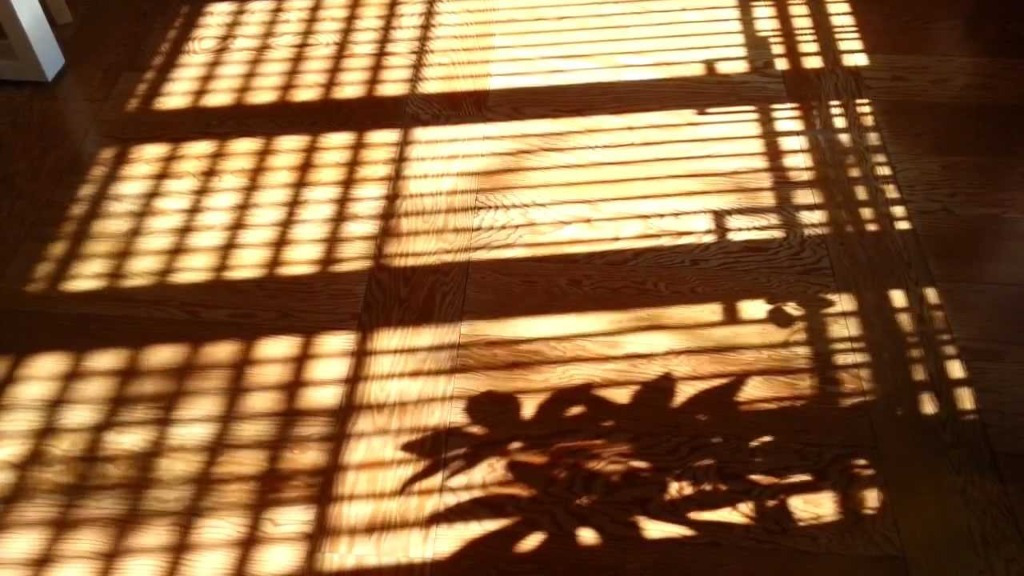
Japan's traditional shoji changho are famous for a grid pattern as neat and crisp as if measured with a ruler. Thanks to that tidy impression, the shoji is often described as a symbol of Japan's own particular sense of beauty. Korean changho, by contrast, give a soft, muted impression. Many people read this difference as nothing more than a difference in aesthetic taste between the two countries, but hidden behind it is a decisive structural reversal: where the paper is applied.
In the most widely used method, a Korean changho or door faces its lattice outward, with the paper applied on the room-side, inner face. Because sunlight passes through the lattice first before reaching the hanji paper, the lattice's shadow is projected softly onto the paper. As the paper diffuses the light, the shadow's outline spreads gently, and its density shifts with the time of day and the season. The person in the room lives, in effect, together with the shadow of the lattice rather than the lattice itself.
Japan's shoji is the exact opposite. The paper is applied on the outer face, and the lattice is left exposed on the room-side, inner face. Light passes through the paper first, becoming diffused light, before it reaches the lattice, so the lattice seen from inside the room appears as crisp lines on a uniformly glowing white surface, with no shadow interference at all. The shoji's distinctively tidy, geometric impression comes from this arrangement.
This reversal was a matter of environment, not taste. Korean changho were the outer wall meeting the courtyard directly, so the paper was applied on the inside to keep it from being damaged by wind and rain, with the lattice left to take the brunt of the weather outside first. The lattice stood outward in order to protect the paper. Japan's shoji, on the other hand, was an interior fitting set behind amado (rain shutters), the eaves, and the corridor, all of which already filtered out the wind and rain, so there was nothing to damage the paper even applied on the outside — and it actually became possible to admire the lattice's lines from inside the room.
In the end, the shoji's crispness and the Korean changho's soft glow aren't a triumph of aesthetic artifice — they're environmental outcomes produced by each country's own climate and arrangement. This difference is the backdrop for the "kumiko misunderstanding" the next installment takes up.
Browse the pattern designs in Pyeongmok Studio
Go to the Collection