-
A Second Look · No. 9 · 2026.11.08
문설주 뜻, 서 있는 기둥일까 | 선대·문선·돌쩌귀, 창호 둘레 이름의 어원
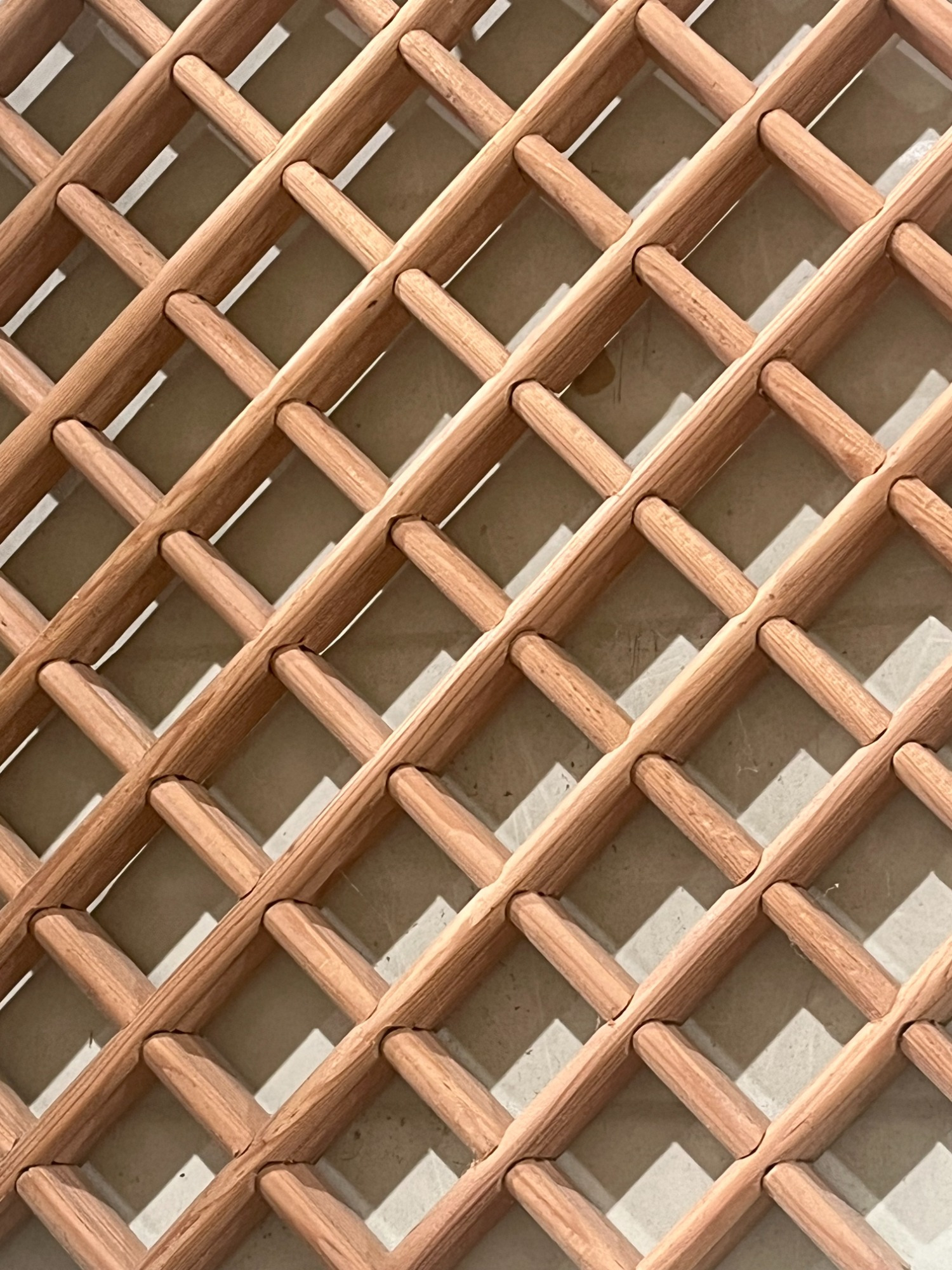
창호를 짜다 보면 늘 입에 올리는 말들이 있습니다. 선대, 막이, 돌쩌귀 같은 말입니다. 문짝 좌우에 세로로 선 울거미가 선대이고, 위아래로 가로지른 것이 막이입니다. 문짝을 문틀에 달아 돌게 하는 쇠가 돌쩌귀입니다.
-
The Changho Glossary · No. 17 · 2026.11.07
전통창호란 | 맞춤·짜임·결구로 빛을 나누는 문
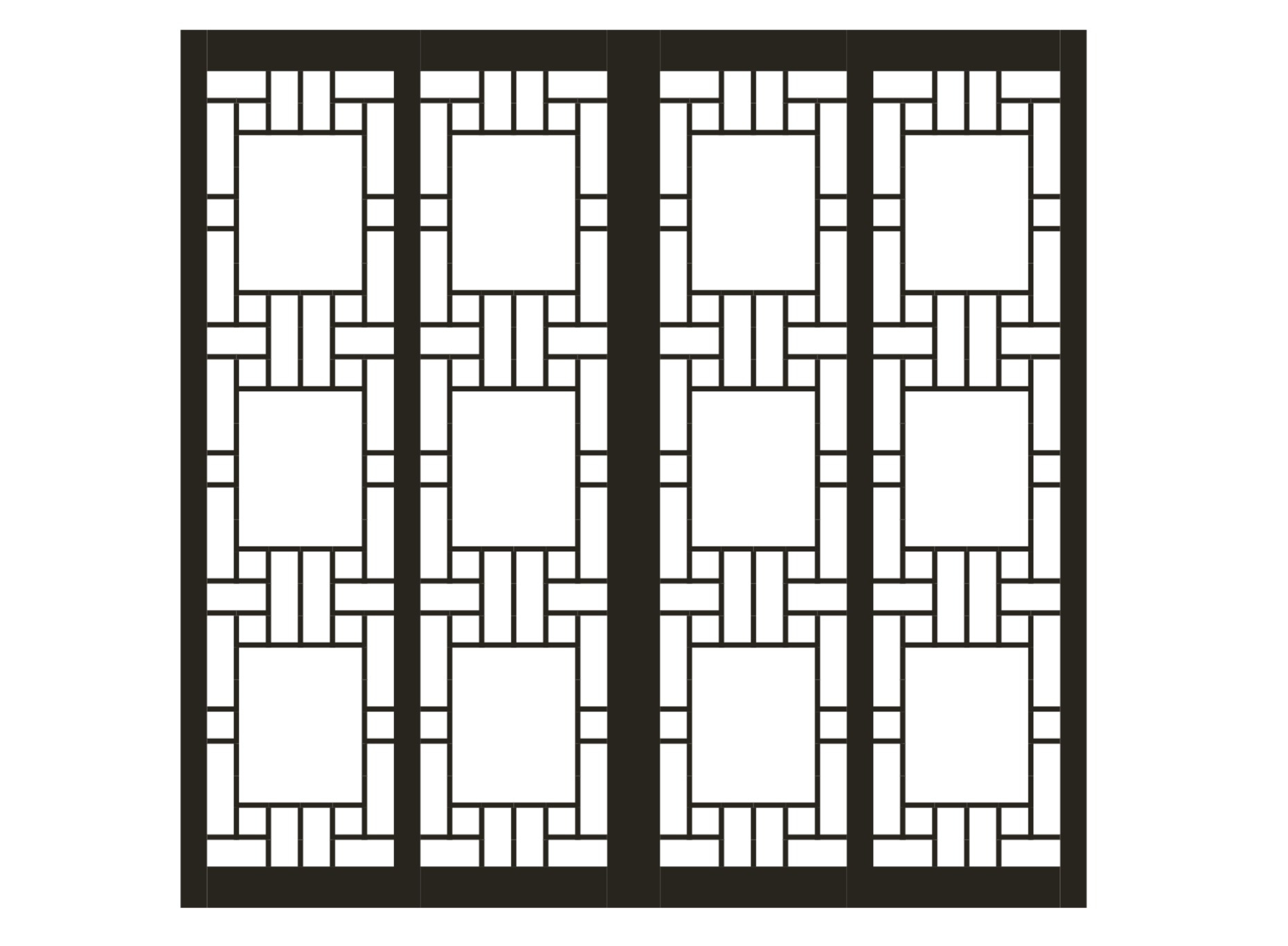
전통창호는 못을 쓰지 않고 나무를 짜 맞춰 만든 창과 문을 말합니다. 가는 살을 서로 물려 무늬를 만들고, 그것을 울거미라는 틀에 끼워 고정한 다음, 안쪽에 한지를 발라 완성합니다. 그래서 마당에서 보면 나무가 짜인 모습이 보이고, 방 안에 앉으면 그 짜임이 종이에 비쳐 그림처럼 보이게 됩니다.
-
Back at the Bench · No. 8 · 2026.10.13
A Sense Doesn't Cross Over by Explanation
A person with a good eye may not be able to prove it, but they can point and say, "Look here." Because people process the same thing differently, a sense for something can't be explained and handed over.

-
The Changho Glossary · No. 16 · 2026.10.11
Finishing & Maintenance | What to Apply, and When to Redo It
Our windows and doors have the paper pasted on the inside face. That leaves the slats and stile-and-rail frame exposed outdoors, taking direct sun and rain. That alone puts them on different footing from a door like a shoji that stands entirely indoors — starting with how you even choose a finish.

-
What the Eye Does, What the Mind Does · No. 6 · 2026.10.11
The Color of Wood | Light Can Darken It, or Bleach It
Freshly planed wood and wood that's been in use for years are different colors. Any carpenter knows this, but I'd rarely seen numbers for which species change how much, and in which direction. Leafing through a forestry textbook, I came across a table with exactly those numbers.
-
What the Eye Does, What the Mind Does · No. 5 · 2026.10.10
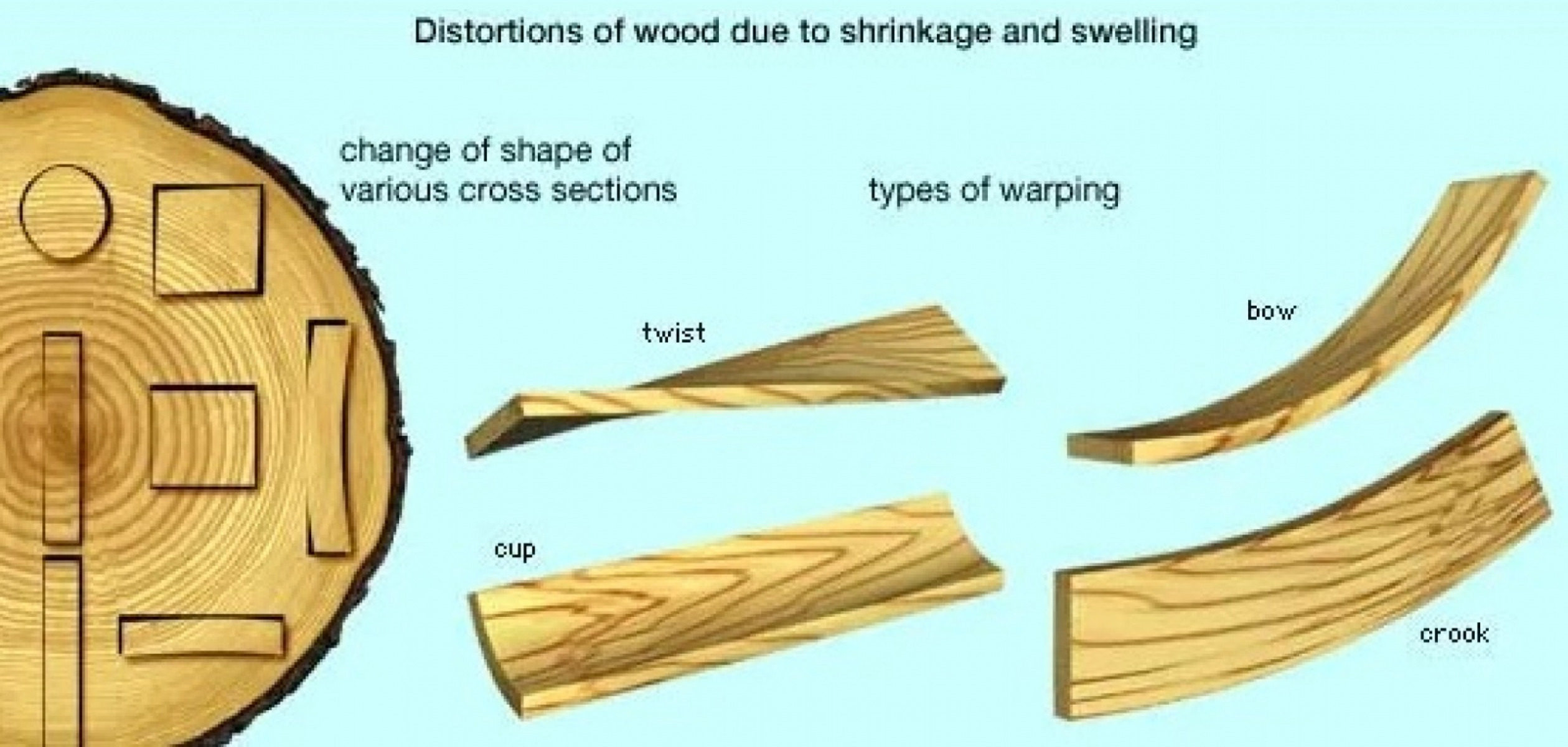
Shrinkage | Wood Shrinks Differently by Grain Direction
-
What the Eye Does, What the Mind Does · No. 4 · 2026.10.10
How to Read Wood
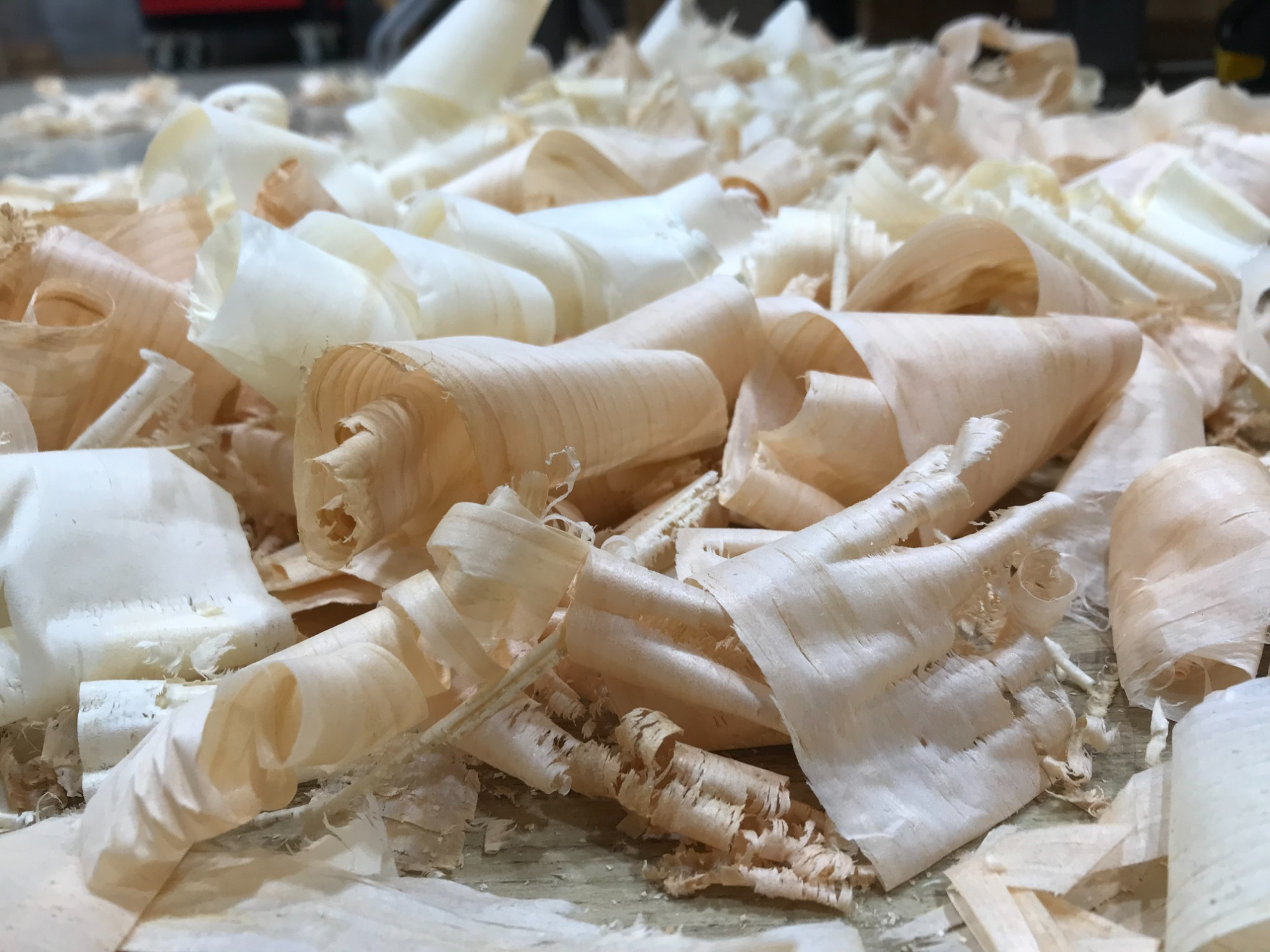
This book doesn't open with dimensions. It doesn't open with joinery, either. Its first chapter, "Introduction," opens with how to read wood — seven pages, six sections, thirteen figures. Let's go through it in order.
-
The Changho Glossary · No. 15 · 2026.10.09
Slat Thickness | The Starting Point for Every Dimension
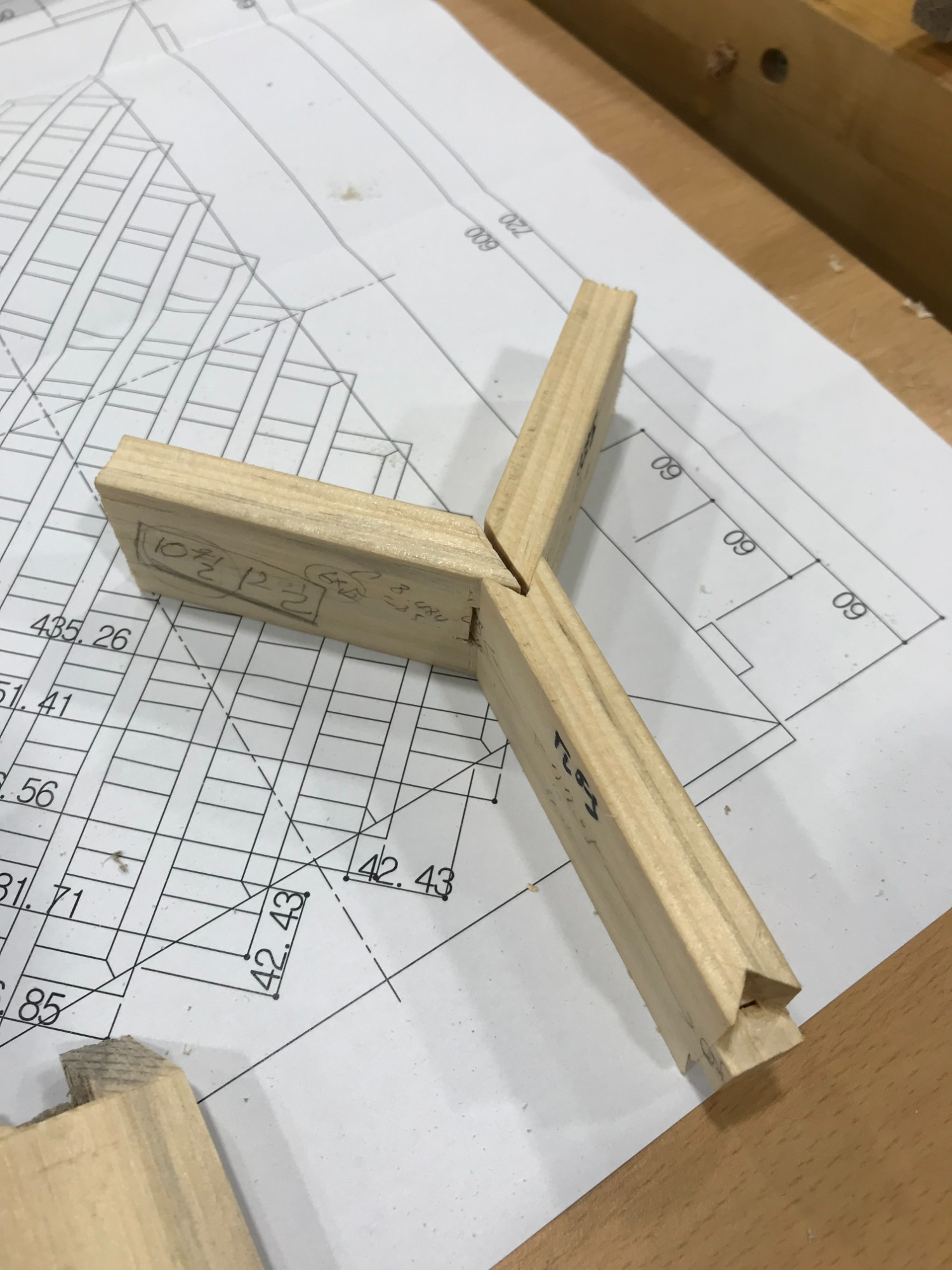
Slat thickness is the first number in calculating a window or door's dimensions. Stile-and-rail width, tenon depth, and rabbet width are all derived from it.
-
Back at the Bench · No. 7 · 2026.10.01
The Palm Is an Eye, Too
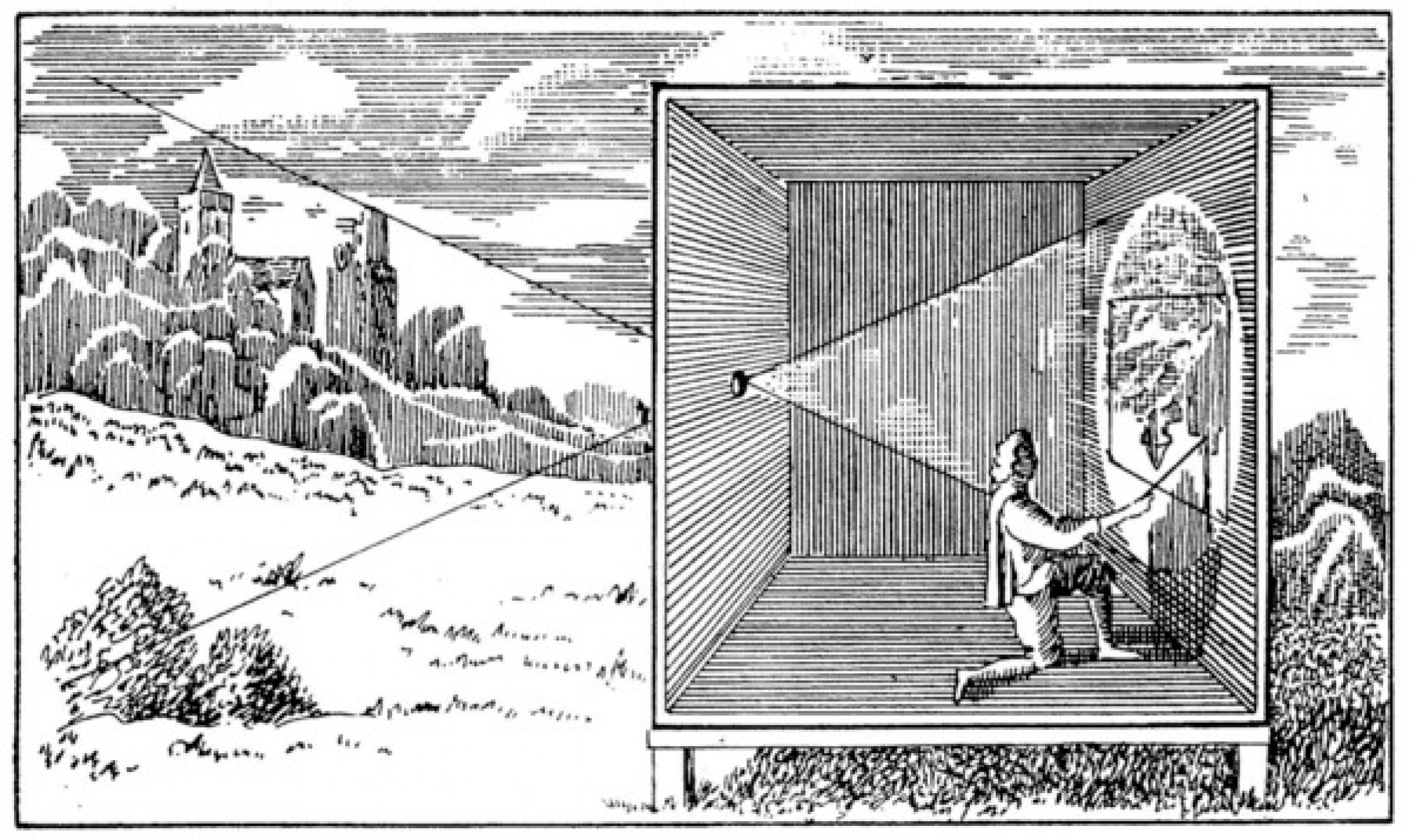
The camera was originally a drawing tool. Pierce a single hole in a pitch-dark room, and the scene outside is cast upside down on the opposite wall. Painters looked at it and traced it. They used it that way for hundreds of years. The projected image didn't stay, so it had to be carried over by hand.
-
Back at the Bench · No. 6 · 2026.09.16
Afraid I'm Thinking to Fit My Own Skill
A tool is a means, not the goal. I know that story. I know it, and I still cut to fit the tool anyway.