
-
The Changho Glossary · No. 10 · 2026.08.14
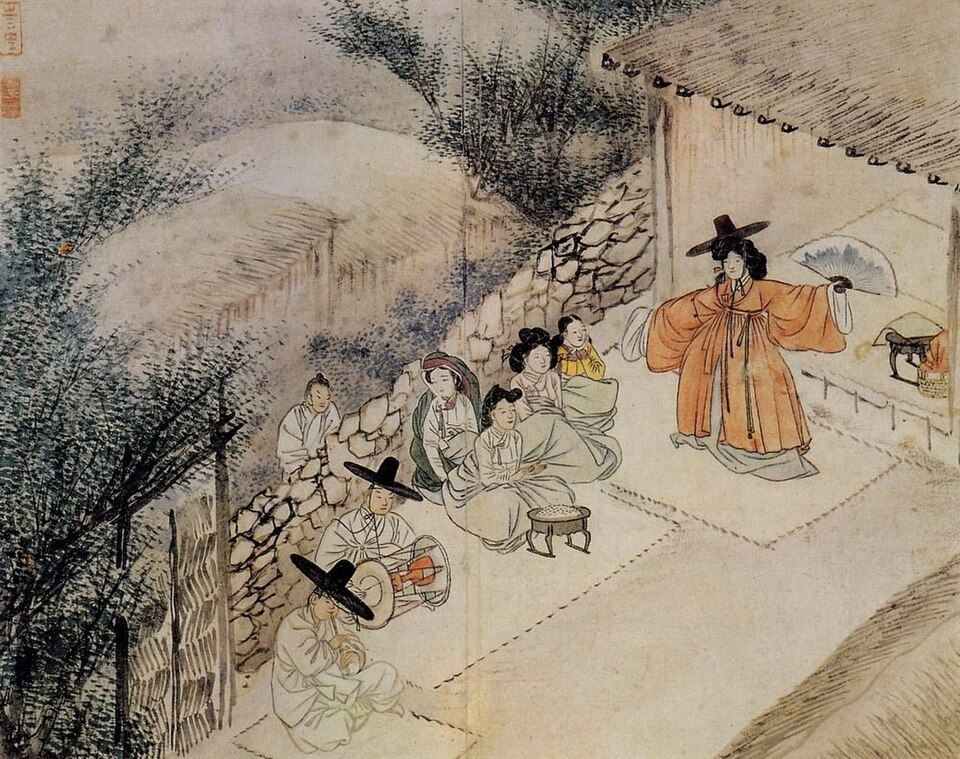
Gwigap-sal | Tenon or Notch?
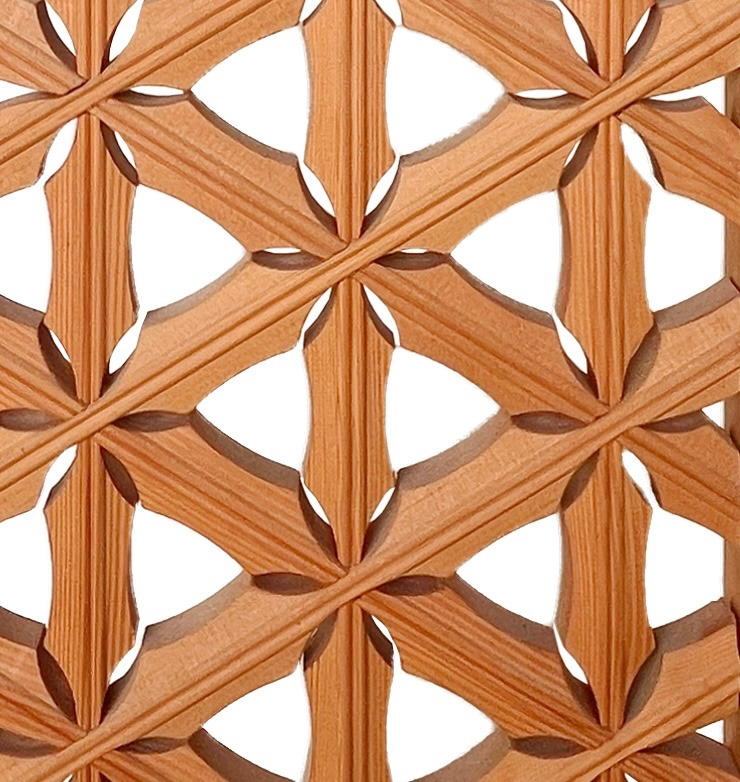
A changho joined into the pattern of a tortoise shell. Regular hexagons link together like a honeycomb. The tortoise is one of the Ten Longevity Symbols, and being a creature that genuinely lives a long time, a tortoise-like lifespan even had its own name, gwiryeong. Carving a tortoise into a changho meant a wish for long life.
-
The Changho Glossary · No. 9 · 2026.08.13
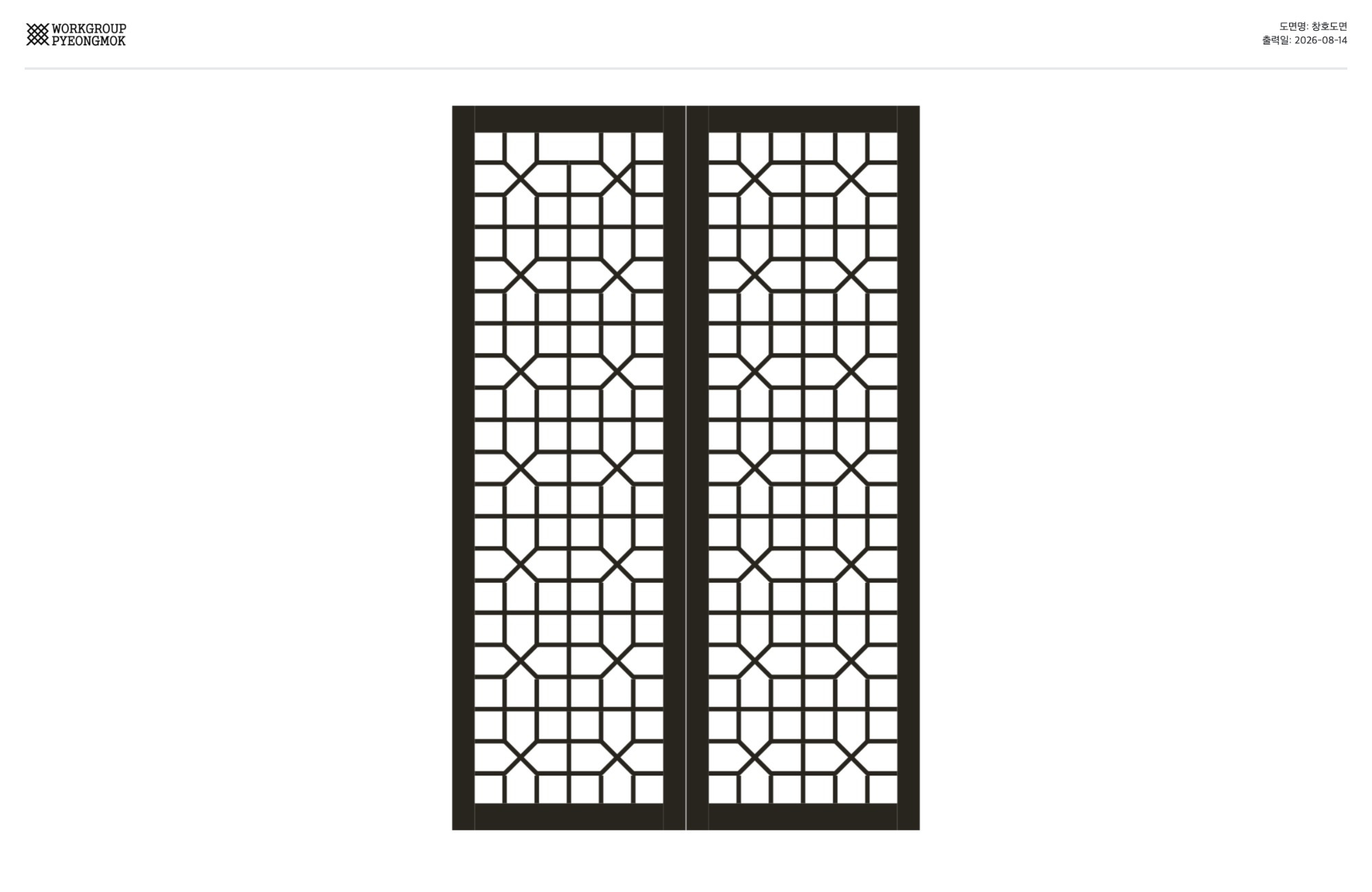
Gyeokja-bit-sal | A Changho Layering Diagonal Lattice Over a Grid
Gyeokja-bit-sal is a changho built by layering bit-sal over jeongja-sal. Two 45° diagonals cross the horizontal-vertical grid, so that each cell of the grid is further divided into four small triangles. It's a changho where two joineries overlap on a single face.
-
The Changho Glossary · No. 8 · 2026.08.12
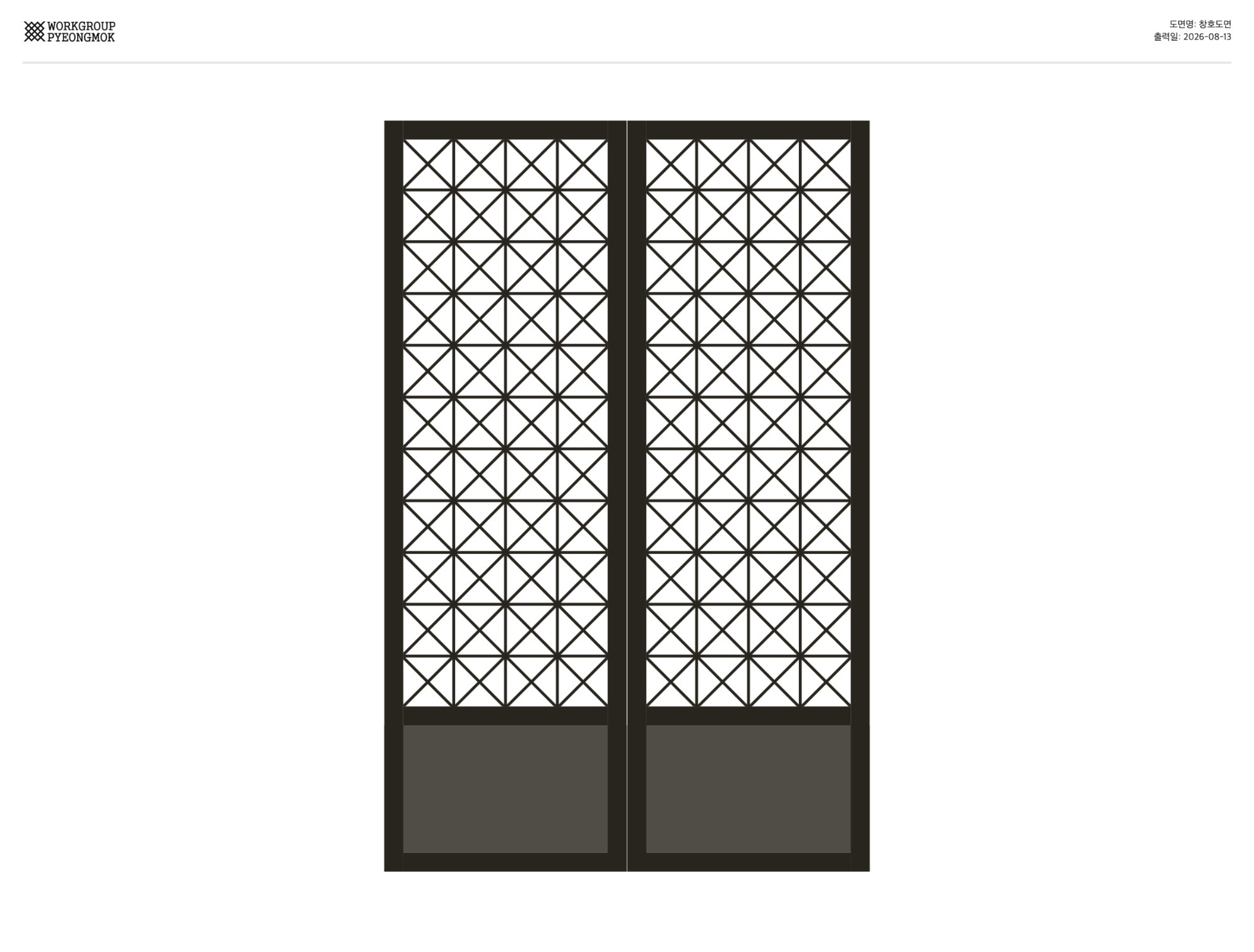
Yukmo-sotgeul-sal | A Changho Where the Cells Come Out as Hexagons
Yukmo-sotgeul-sal is a changho where slats are laid diagonally at 30° and crossed, with a vertical slat set between crossing points so that the cells come out as regular hexagons.
-
The Changho Glossary · No. 7 · 2026.08.12
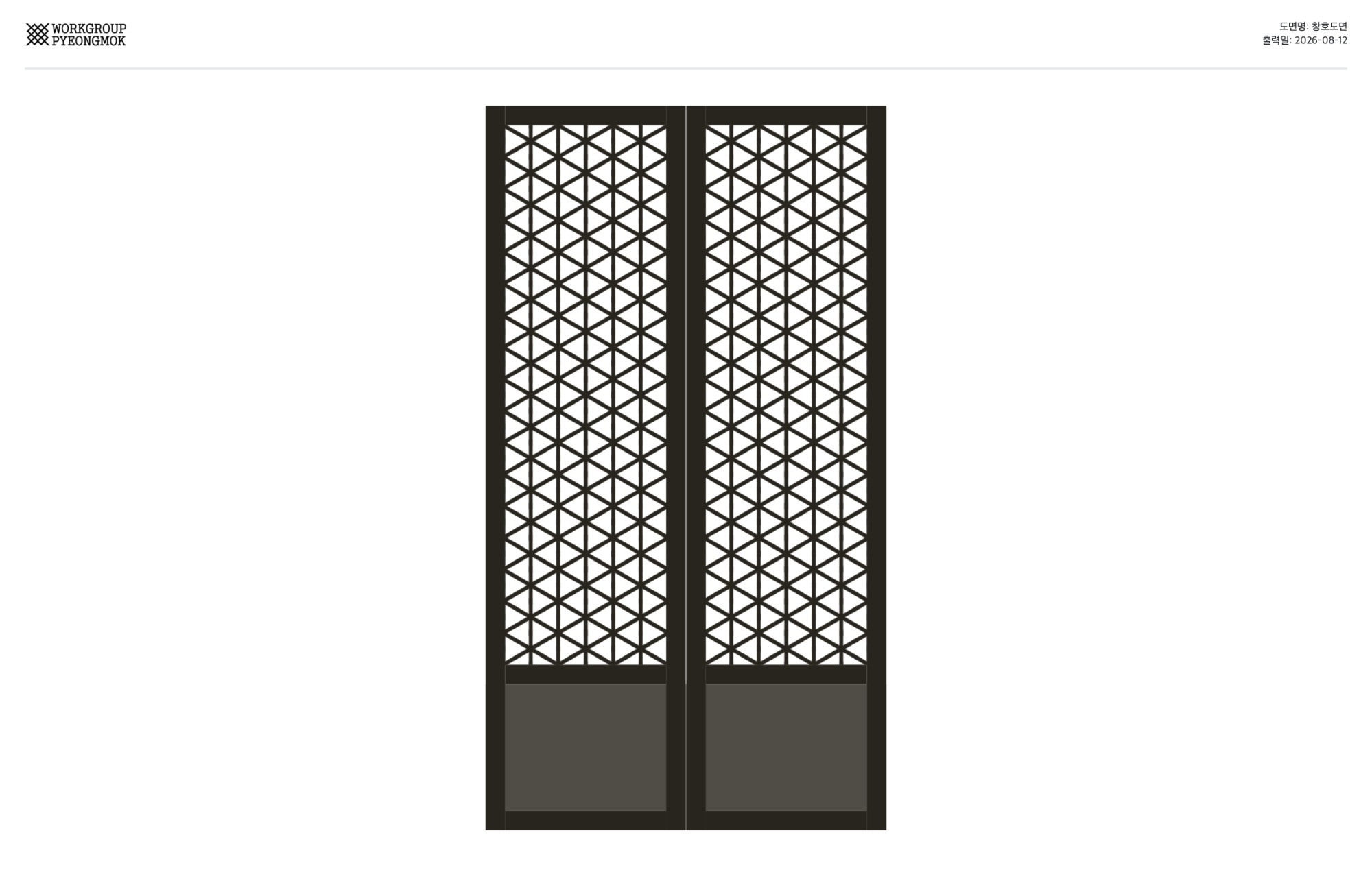
Semo-sotgeul-sal | A Changho Where the Cells Come Out as Triangles
Semo-sotgeul-sal is a changho where slats are laid diagonally at 30° and crossed, with a vertical slat set at each crossing point so that the cells come out as equilateral triangles. The name says exactly what it is. Because the cells come out as triangles (semo), it's called semo-sotgeul-sal. That's what it's called on the job.
-
The Changho Glossary · No. 6 · 2026.08.09
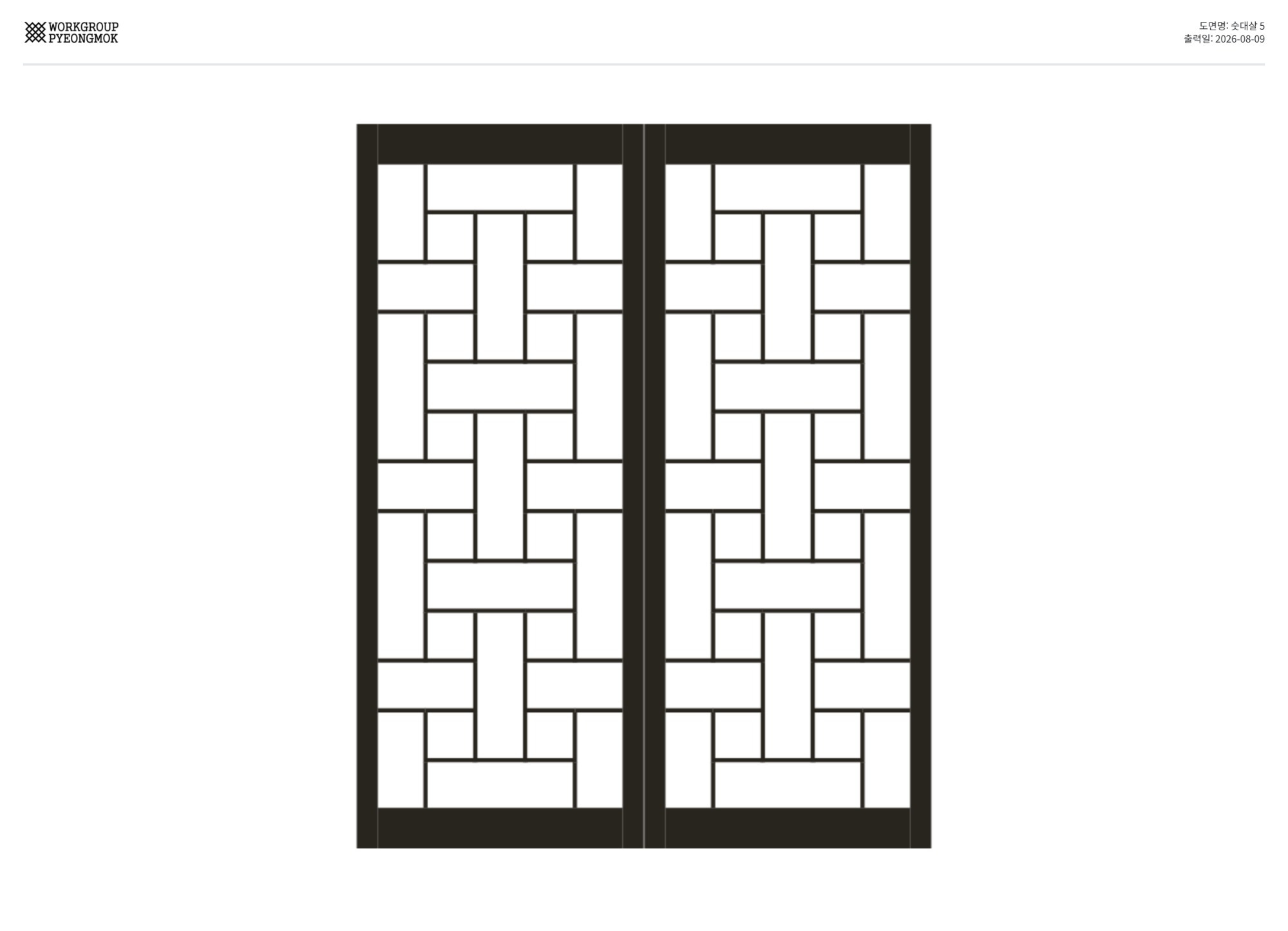
Sutdae-sal | A Changho Joined with Broken Slats
Sutdae-sal is a changho built by cutting the slats out of a jeongja-sal grid. That's the order you draw it in, at least.
-
The Changho Glossary · No. 5 · 2026.08.06
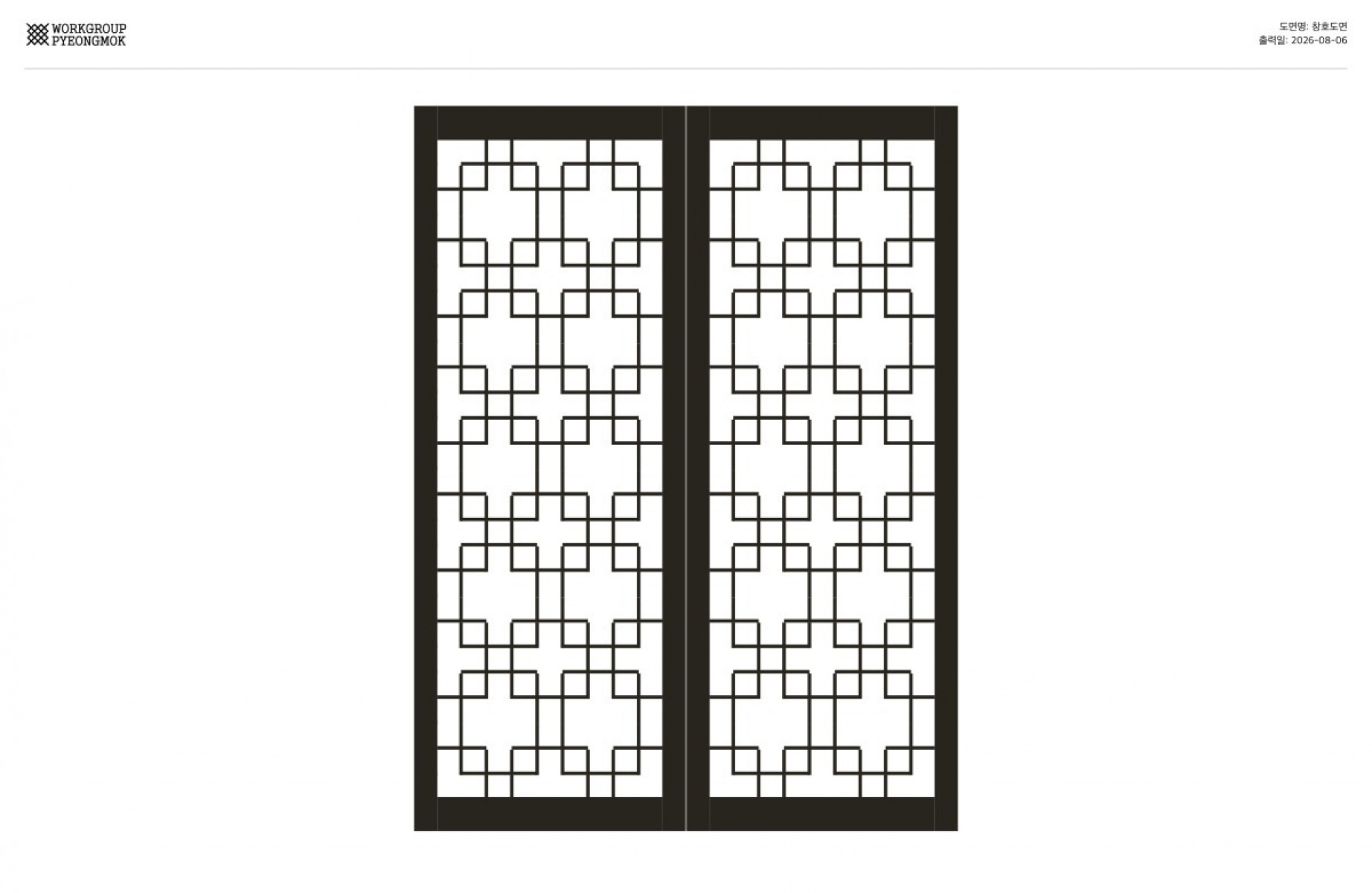
Wanja-sal | A Pattern Overflowing with Meaning
In the previous piece, I wrote that aja-sal scattered because it had no meaning. Wanja is the opposite. It has too much meaning.
-
The Changho Glossary · No. 4 · 2026.08.06
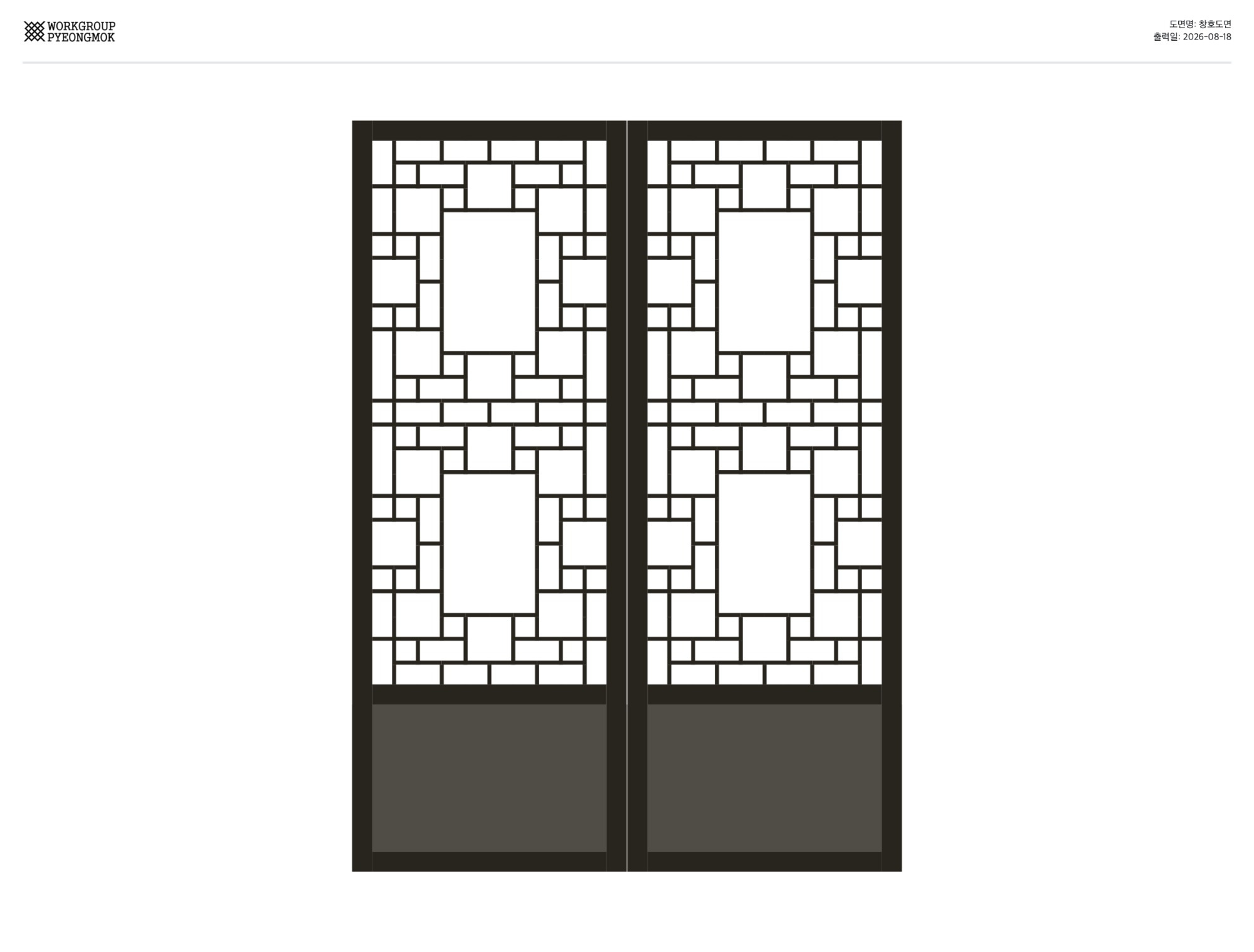
Aja-sal | A Pattern With No Good Meaning
Every time I join aja-sal, it's a mess.
-
A Second Look · No. 6 · 2026.08.01
Manja-sal and Man-sal Are Different Changho
Two names that meet over a one-syllable difference Say "man-sal" meaning jeongja-sal, and people sometimes hear it as "manja-sal" instead. Written in Hangul, they're 만자살 and 만살 — close enough that the mix-up makes sense. But the two have different patterns, and point at different things from the very start.

-
The Changho Glossary · No. 3 · 2026.08.01
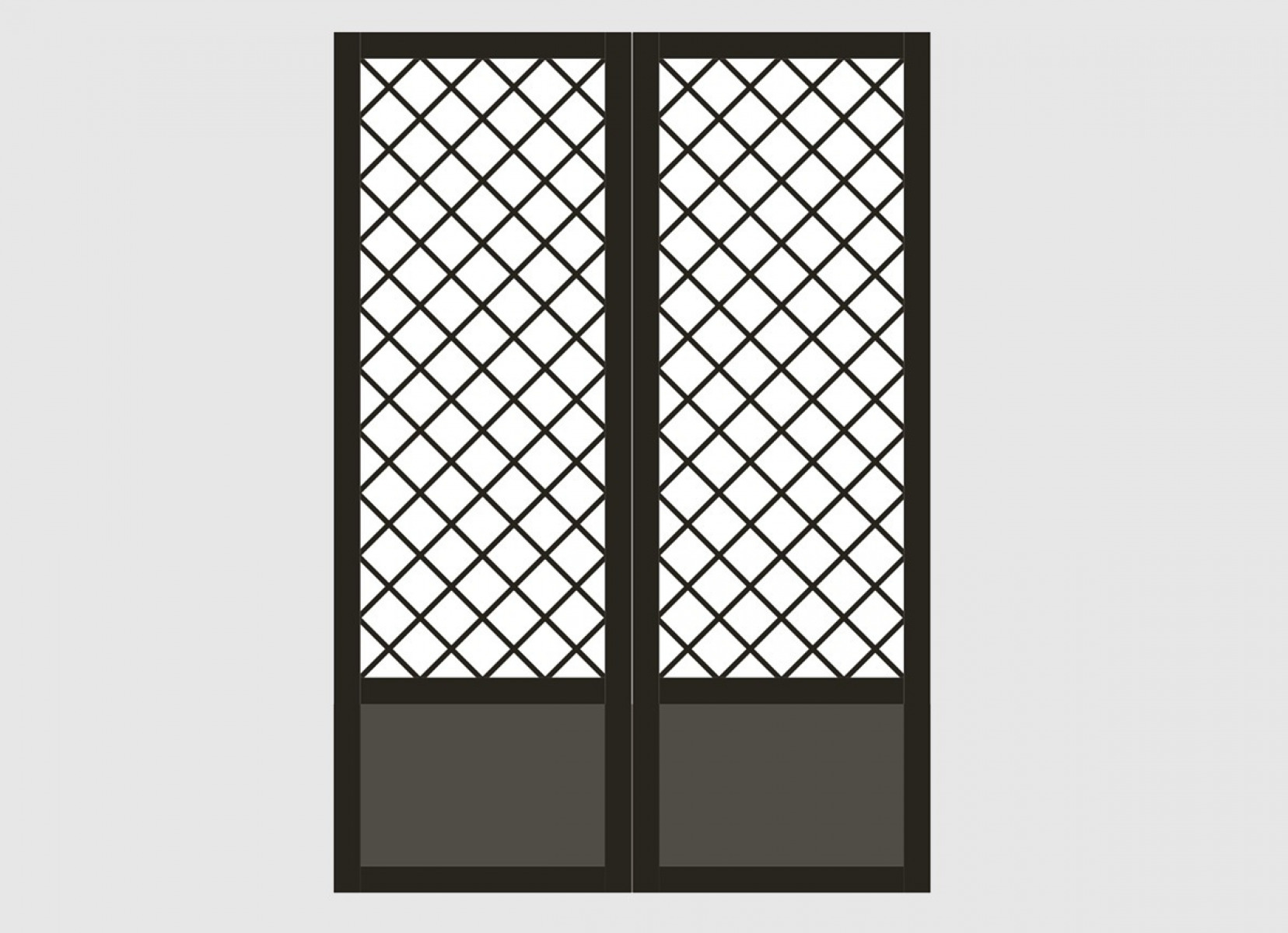
Bit-sal | A Changho Joined with Slats Set on the Diagonal
Bit-sal is a changho where the slats are tilted 45° and crossed, so that slat meets slat off-axis to form a diamond grid. Unlike se-sal and jeongja-sal, joined from slats standing straight, every line in this changho runs on a diagonal.
-
The Changho Glossary · No. 2 · 2026.07.29
Se-sal (細살) | A Changho Set with Fine Slats, Packed Close
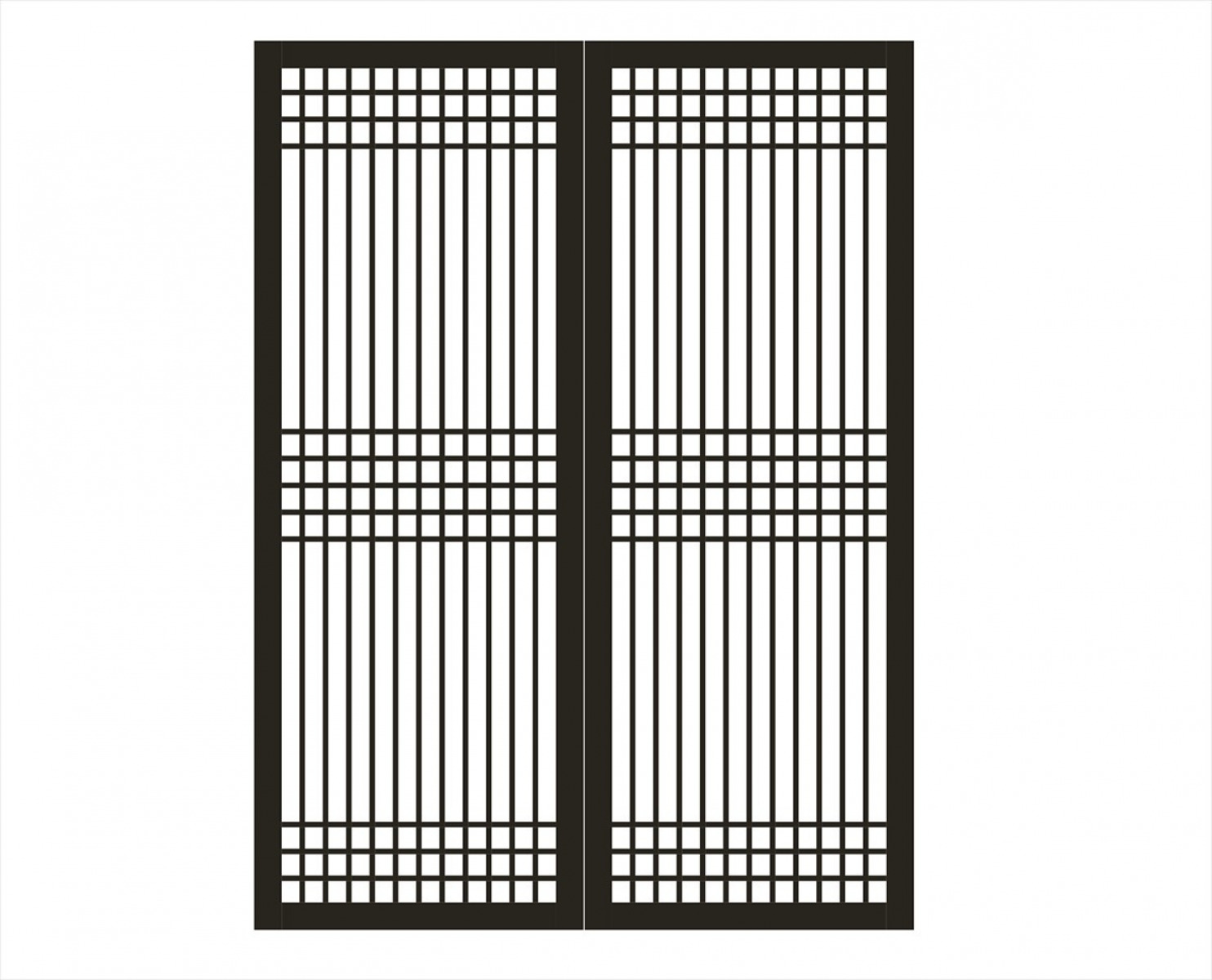
Se-sal is a changho built by standing vertical slats close together, while the horizontal slats are bundled in small groups at three levels — top, middle, and bottom. It was the most widely used of all lattice joineries, hung everywhere from ordinary home doors to temple halls and palaces.